Our Blogs

Go After Specific Keywords with Your Content
Digital Marketing
Publish Date: July, 31-2024
1. Go After Specific Keywords with Your Content
- Keyword Research: Use tools like Google Keyword Planner, Hare’s, or SEMrush to find keywords that your target audience is searching for.
- Long-Tail Keywords: Focus on long-tail keywords as they often have lower competition and higher conversion rates.
- Keyword Placement: Incorporate keywords naturally into your content, including titles, headers, meta descriptions, and throughout the body text.
2. Recycle Your Content
- Different Formats: Convert blog posts into infographics, videos, podcasts, or social media posts.
- Update Old Posts: Refresh outdated content with new information, images, and keywords to improve its relevance.
- Content Syndication: Share your content on other platforms and websites to reach a broader audience.
3. Keep Content Up-to-date
- Regular Audits: Schedule regular reviews of your content to ensure all information is current and accurate.
- Industry News: Stay informed about industry trends and updates to keep your content relevant.
- User Feedback: Listen to your audience's feedback and update content based on their needs and interests.
4. Track Your Performance
- Analytics Tools: Use tools like Google Analytics, Hub Spot, or Most to track metrics such as traffic, bounce rate, and conversion rates.
- KPIs: Define key performance indicators (KPIs) to measure the success of your content marketing efforts.
- A/B Testing: Conduct A/B tests to determine which content strategies work best for your audience.
5. Remarket Your Content
- Email Marketing: Use email campaigns to share your best-performing content with your subscribers.
- Social Media: Promote your content on social media platforms to engage with your audience.
- Paid Advertising: Invest in paid ads to boost the visibility of your high-value content.
Categories :-
Business Services and Certifications
Bulk WhatsApp Marketing Services
Social Media Marketing Services
Recent Post :-

Happy Engineers Day 2026 Wishes from Paramwebinfo Team
Festival Post
Publish Date: September, 15-2026
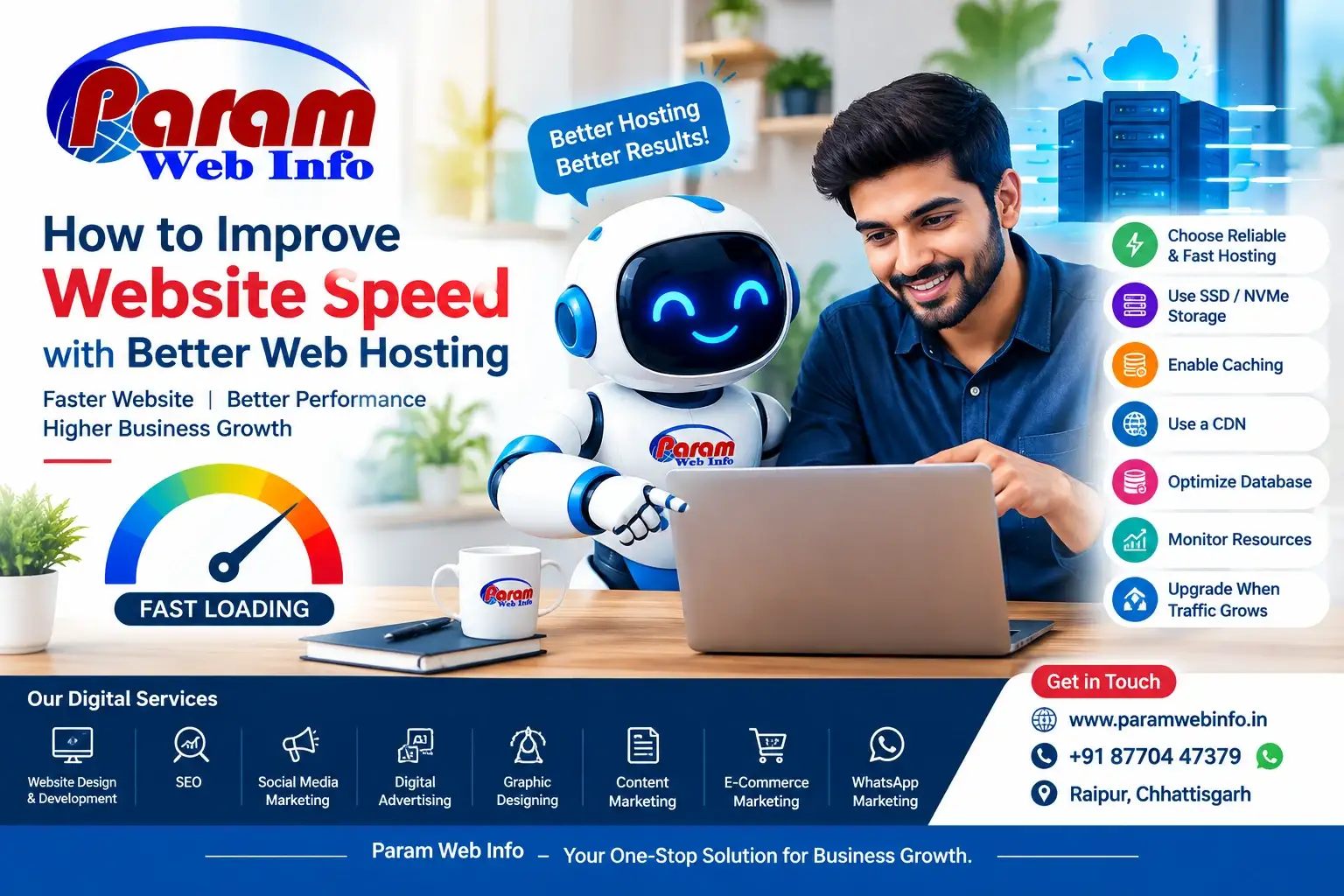
How to Improve Website Speed with Better Web Hosting with Paramwebinfo
Web Hosting Tips
Publish Date: September, 14-2026

How Meta Ads Can Grow Your Business Online With Paramwebinfo
Grow your business
Publish Date: September, 12-2026

AEO vs GEO How to Make Your Business Visible in AI Search Results
Digital Marketing
Publish Date: September, 10-2026

Video Editing and Reels Making Services in Raipur by Paramwebinfo
Digital Marketing
Publish Date: September, 07-2026


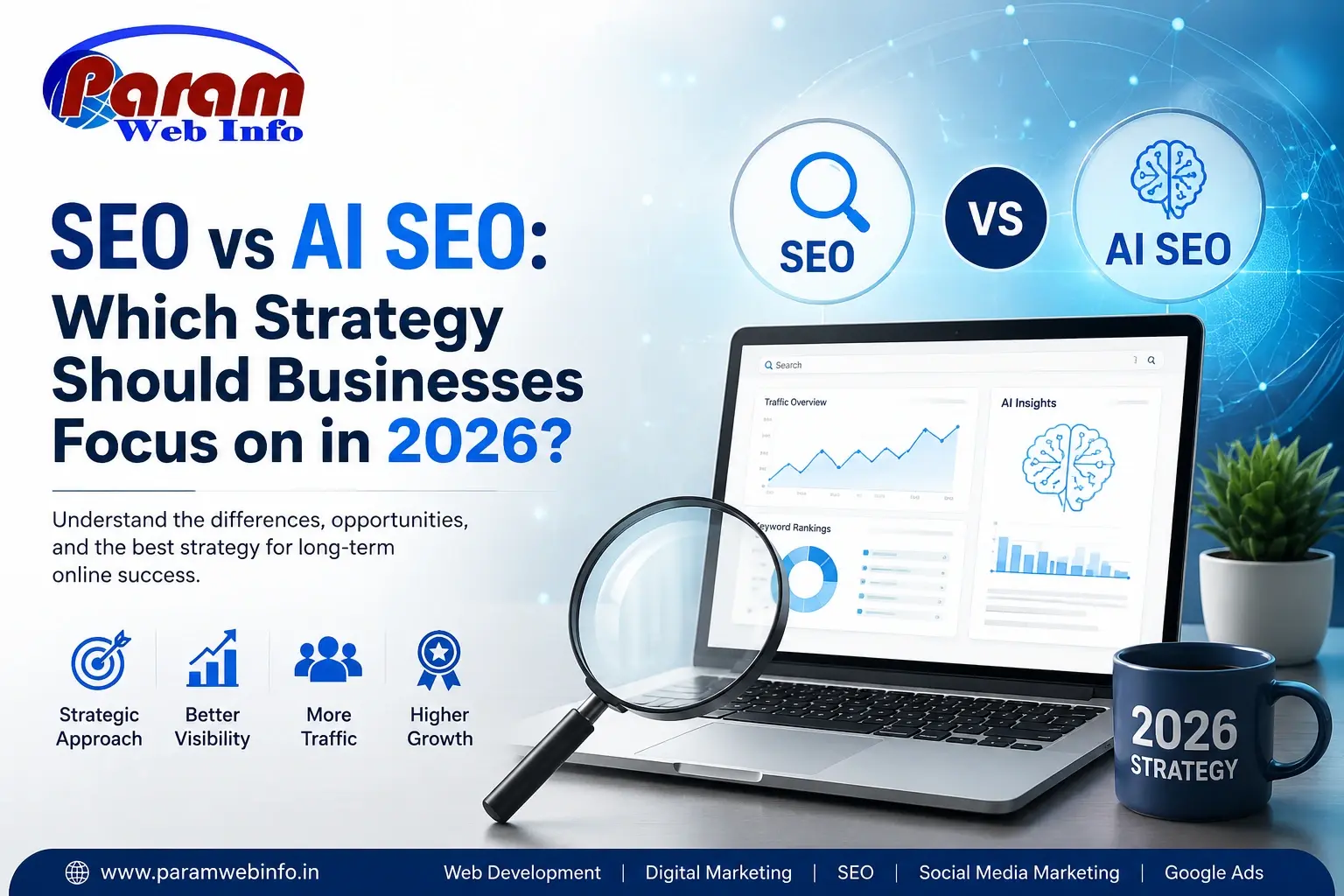
SEO vs AI SEO Which Strategy Should Businesses Focus on in 2026
SEO
Publish Date: September, 02-2026